
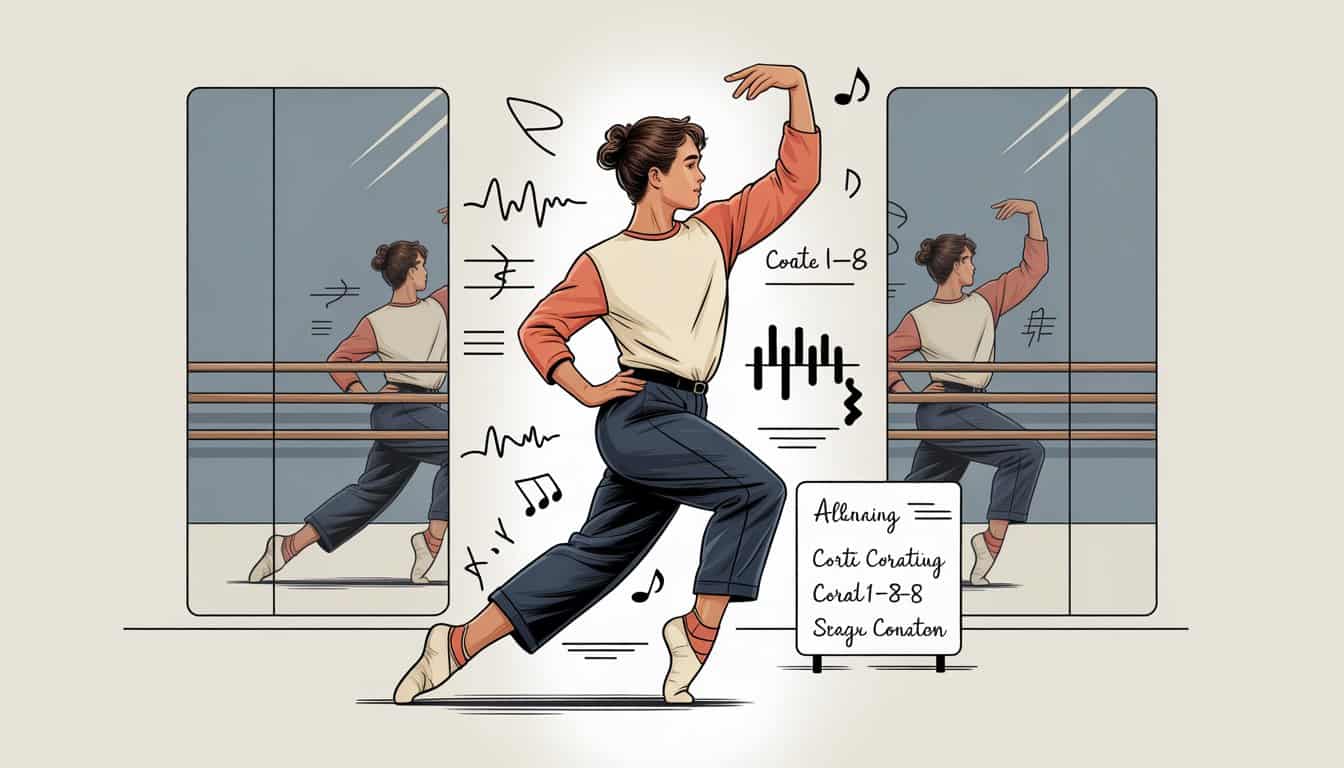
What Seek Dance Is and Why It Matters
Seek Dance is best understood as a search-driven way to discover, learn, and improve dance skills through a mix of inspiration, practice, and structured guidance. For many learners, it is not just about copying moves. It is about seeking the right style, the right music, and the right training approach that helps the dancer grow with confidence.
As a skill-building topic, Seek Dance matters because dance is both creative and technical. A learner may start by admiring a routine, but real progress comes from observing details, understanding rhythm, and practising with intention. That is where a clear learning approach can make a big difference. Related source: pilates classes listed by state at seekdance.my.
The Core Idea Behind Seek Dance
The core idea behind Seek Dance is simple: active discovery leads to better dance improvement. Instead of waiting for inspiration to arrive randomly, the learner looks for styles, tutorials, classes, and reference performances that match their goals. This makes learning more focused and less overwhelming.
In practical terms, Seek Dance encourages curiosity. A dancer may explore different genres, compare techniques, and identify what feels natural for the body. By seeking rather than guessing, the learner can build a stronger foundation and make more consistent progress over time.
How to Start Learning with Seek Dance
Starting with Seek Dance works best when the learner begins small and stays consistent. A good first step is choosing one dance style to study for a set period, rather than trying to learn everything at once. This gives the body time to adapt and the mind time to absorb basic patterns.
It also helps to set a simple routine. For example, the learner can watch a reference video, note key movements, practise basic steps slowly, and repeat the sequence several times. Small, regular sessions are usually more effective than irregular long sessions, especially for beginners.
Choosing the Right Dance Style
One of the most important parts of Seek Dance is choosing a style that matches both interest and ability. A style that feels exciting will keep motivation high, while one that suits the learner’s physical comfort will help reduce frustration. This balance is important for steady skill development.
Some dancers are drawn to energetic styles with sharp footwork and strong rhythm, while others prefer fluid movements and expressive body control. The best choice is not always the most popular one. It is the style that encourages the learner to keep practising and improving without feeling disconnected from the process.
Tools and Resources That Support Seek Dance
Seek Dance becomes easier when the learner uses a few practical resources. Online tutorials, recorded performances, mirrored practice videos, and music playlists can all support better learning. These tools help dancers observe technique, timing, and transitions more clearly.
In-person classes and workshops are also valuable because they provide immediate feedback. A teacher can correct posture, rhythm, and spacing in ways that a video cannot always do. When combined with self-practice, these resources create a more complete learning experience.
Building Rhythm, Timing, and Musicality
Good dancing is more than memorising steps. Seek Dance also focuses on rhythm, timing, and musicality, because these elements give movement its meaning. A dancer who understands the beat can perform with more confidence and better control.
To improve these skills, the learner can practise clapping or counting the beats before moving. Listening closely to the song structure helps as well, especially when identifying changes in tempo, pauses, or accents. Over time, this habit makes movement feel more natural and connected to the music.
Improving Technique Through Repetition
Repetition is a key part of Seek Dance because technique improves when movements are repeated with attention. Each repetition gives the learner a chance to refine posture, balance, and coordination. It also helps the body remember the sequence more reliably.
However, repetition should not become mindless. A better method is to repeat one section slowly, then gradually increase speed once the movement is clean. This approach helps build muscle memory while reducing the risk of forming bad habits early on.
Common Challenges and How to Handle Them
Seek Dance can be rewarding, but it also comes with common challenges. Beginners may struggle with timing, flexibility, confidence, or remembering choreography. These issues are normal and should be treated as part of the learning curve rather than signs of failure.
When progress feels slow, it helps to break the routine into smaller parts and focus on one weakness at a time. A learner who finds footwork difficult may practise that section alone before combining it with the full sequence. Patience, structure, and regular review usually lead to better results than forcing quick progress.
How to Track Progress in Seek Dance
Tracking progress makes Seek Dance more effective because it shows what is improving and what still needs work. A learner can record practice sessions, keep notes on difficult moves, or set weekly goals for specific techniques. These small checks provide useful feedback without making the process too complicated.
Visible progress often appears in subtle ways, such as better balance, sharper timing, or smoother transitions. By noticing these improvements, the learner stays motivated and understands that skill development is happening even when it feels gradual.
Staying Motivated for Long-Term Growth
Long-term improvement in Seek Dance depends heavily on motivation. Since dance learning takes time, the learner benefits from setting realistic goals and celebrating small wins. These may include mastering a short routine, improving stamina, or performing more confidently in front of others.
It also helps to keep practice enjoyable. Switching between drills, favourite songs, and creative freestyle sessions can prevent boredom. When learning feels rewarding, the dancer is more likely to stay committed and continue growing steadily.
Final Tips for Making Seek Dance Work Better
To make Seek Dance work well, the learner should stay curious, practise regularly, and choose resources that suit the current skill level. A focused approach is usually more effective than trying to learn too much at once. Clarity, patience, and consistency are the real strengths behind progress.
Just as importantly, the learner should enjoy the process. Dance improves faster when there is genuine interest in the movement and music. With the right habits, Seek Dance becomes not only a method for learning, but also a practical path toward stronger technique and greater confidence.